Categories Exterior Painting

How Much Does Exterior House Painting Cost in Boise?

Exterior House Painting Cost

Key Takeaways

  • The typical house painting cost in Boise is approximately $5000-$10,000 for many residential exterior projects.
  • Exterior painting costs about$2-$4.50 per square foot of paintable surface, but your home’s floor area isn’t the same as its paintable surface area.
  • Preparation is a major part of the price. Pressure washing, scraping, sanding, caulking, priming and repairs can significantly affect the final house painting cost.
  • A 1500 square-foot home may cost roughly $3,500-$6,500, while a 3000 square-foot home may cost approximately $7,500-$13,000 depending on the project.
  • Hiring a professional can save time, improve the finish, and reduce safety risks, particularly for two-story homes and projects requiring extensive preparation.

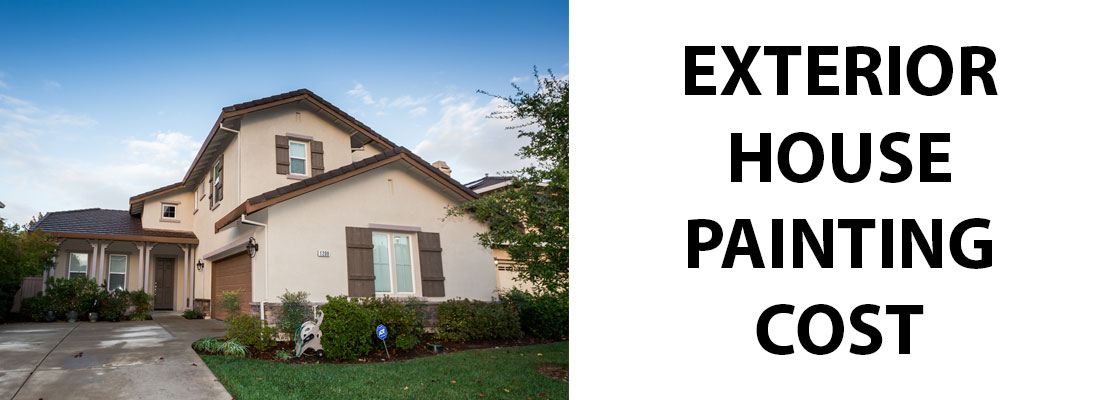
If you’re planning to give your home a fresh look, one of the first questions you’ll probably ask is: How much does it cost to paint a house exterior in Boise? The answer depends on several factors, including the size of your home, the type and condition of the siding, the number of stories, paint quality, and how much preparation is needed. If you’re looking for home painting services in the Boise area, we can help you. We do just about every painting service there is, including exterior painting, interior painting, cabinet painting, and epoxy flooring. Wherever you’re located in the Boise area, we can serve you, from Boise to Meridian to Eagle and Middleton. Click the button below to get a free estimate. 

Get a Free Estimate

Idaho HOA Laws & Rules

How Much Does It Cost to Repaint a House?

The cost to repaint a house in Boise varies considerably. A small, single-story home with sound siding and minimal preparation could be toward the lower end of the range. An older home with peeling paint, damaged wood, extensive trim, multiple stories, or difficult access could cost substantially more.

Current Boise estimates put a complete exterior repaint anywhere from around $2,800 to $18,000, although that range includes unusually large or complicated projects. A more typical single-story home is often in the $4,000-$8000 range.

How Much Does Exterior Painting Cost?

A useful starting point is approximately $2-$4.50 per square foot of paintable exterior surface in the Boise area. However, don’t simply multiply your home’s advertised square footage by that number.

For example, a 2000 square-foot home doesn’t necessarily have 2,000 square feet of exterior wall surface. The number of stories, roofline, windows, doors, garage, trim, and siding configuration all influence how much area actually needs to be painted.

Siding material matters, too. Wood siding may require considerably more preparation than relatively easy-to-maintain fiber cement, while stucco and previously unpainted brick can require specialized products and techniques.

Exterior Painting Cost Per Square Foot

When comparing estimates, ask whether the contractor is quoting per square foot of living space or paintable surface.

For Boise homeowners, a general planning range of $2-$4.50 per square foot of paintable surface is reasonable. Wood siding can fall around $2.50-$4.50 per square foot, stucco around $2-$3.50, and fiber cement around $2-$3.

Remember that per-square-foot pricing is only a guideline. Two houses with the same square footage can have dramatically different house painting costs.

What Goes Into the Cost of Painting a House?

Several components make up your total exterior painting price.

Labor

Labor is usually one of the largest expenses. Exterior painting requires much more than applying paint. Professional painters need to prepare surfaces, protect landscaping and windows, set up ladders or scaffolding, apply primer where necessary, paint multiple coats, and clean up afterward.

Two-story homes usually cost more because of the additional time and equipment needed for safe access.

Materials

Materials include exterior paint, primer, caulk, masking materials, drop cloths, brushes, rollers, sprayers, and other supplies. Premium exterior coatings can cost more initially but may provide better durability and performance in Boise’s sun and seasonal weather.

Surface Preparation

Preparation can have a major impact on house painting cost. It may include pressure washing, scraping loose paint, sanding rough areas, replacing damaged caulk, priming bare surfaces, and repairing minor siding or wood damage.

This is one reason a very low painting estimate isn’t always the best value. Cutting preparation can result in premature peeling or failure.

Repairs and Access

Rotten wood, damaged siding, difficult architectural details, high walls, and extensive trim can increase the cost. If scaffolding or a lift is necessary, equipment and setup time can add to the project.

Best Home Paint Supply Stores in Boise

Cost to Paint a 1500-Square-Foot House Exterior

For a typical 1500-square-foot Boise home, homeowners should plan on approximately $3,500-$6,500 for professional exterior painting. A straightforward single-story ranch-style home with good siding may be near the lower end, while a home needing extensive preparation or having complex trim could approach or exceed the upper end.

Cost to Paint a 2,000-Square-Foot Exterior

A 2,000-square-foot home will often fall around $5,000-$9000 for a professional exterior repaint, depending on the home’s configuration and condition. Two-story construction, extensive trim, and difficult access can increase the house painting cost.

Cost to Paint a 3000-Square-Foot Exterior

For a 3000-square-foot-home, a reasonable Boise pricing range is approximately $7,500-$13,000. Larger homes usually have more trim, more stories, and more complicated access, which can increase labor beyond what square footage alone would suggest.

DIY Cost vs. Hiring a Professional

DIY exterior painting can appear substantially cheaper because you eliminate professional labor costs. You still need to purchase paint, primer, caulk, brushes, rollers, sprayers, ladders, protective equipment, and other supplies. A basic materials-only project can potentially cost a few thousand dollars depending on the size of the house and paint system.

The bigger consideration is time and execution. Exterior painting can involve several days of preparation and painting, and working at height presents real concerns. Mistakes in surface preparation or coating application can also reduce the lifespan of the paint job.

Hiring a professional costs more upfront, but you’re paying for experience, equipment, preparation, efficient application, and a finished result. For many homeowners, the convenience and reduced risk make professional painting the better choice.

How Much Does Exterior House Painting Cost in Boise? Conclusion

When you’re investing several thousand dollars in your home’s exterior, choosing the right contractor matters. At Boise Home Painting, we provide residential exterior painting services, along with other services such as dry rot repair and other painting work. We use full-time painters and offer a five-year guarantee on qualifying full exterior projects, subject to stated exclusions.

If you want professional results without taking on the time, equipment, and safety challenges of a DIY project, consider Boise Home Painting. Our professional evaluation can also give you a much more accurate house painting cost based on your home’s actual siding, condition, accessibility, and preparation. Give us a call today!

Request More Info

What is the Best Temperature to Paint Outside?

Frequently Asked Questions

What time of year is best to paint a house exterior in Boise?

Generally, late Spring through early Fall is the best window for exterior painting in Boise. Local painting guidance identifies roughly May through October as the preferred season, with June and September offering particularly good conditions. Extremely hot summer afternoons can also affect application and curing, so professional painters may adjust their schedules accordingly.

What color house sells the fastest?

Neutral exterior colors are generally the safest choice when resale is the priority. White, off-white, light gray, beige, and other understated colors tend to have broad appeal. However, there isn’t a single color guaranteed to make a house sell faster. Neighborhood trends, architecture, landscaping, and the condition of the home all matter.

Is it better to roll or spray exterior house paint?

Neither method is universally better. Spraying can provide efficient, even coverage over large areas, while rolling can offer excellent control and is commonly used for certain siding surfaces. Professional painters typically use a combination of spraying and back-rolling to achieve thorough coverage and a consistent finish.

How often should a Boise home exterior be repainted?

Many exterior paint jobs can last approximately 7-10 years, although the actual lifespan depends on the siding, paint system, sun exposure, preparation, and ongoing maintenance. South-facing and west-facing surfaces may show wear sooner because of increased sun exposure.

What increases the house painting the most?

The biggest factors are typically surface preparation, home size, number of stories, siding condition, repairs, trim/detail work, paint quality, and accessibility. Peeling paint, wood rot, and extensive caulking or scraping can make preparation particularly labor-intensive.

How can I get an accurate exterior painting estimate?

The best approach is to have a professional inspect the property and provide a detailed written estimate. Ask what preparation, repairs, primer, number of coats, materials, and cleanup are included so you’re comparing complete scopes of work rather than just headline prices.

Categories Exterior Painting

The Idaho HOA Law Guide

Idaho HOA Laws

Whether you plan to paint your house white or lime green, if you live in a homeowner’s association (HOA), your options may be limited. Navigating the realm of Idaho HOA laws can be complicated. First, Idaho HOA laws, which are found in Chapter 32 Section 55 of the Idaho Code, regulate what an HOA can and cannot do. Then, within each HOA, there are specific rules for those living in the community. These will vary from HOA to HOA. In order to understand the specific rules and regulations of your HOA, you’ll need to review the HOA’s governing documents. 

So what are the Idaho HOA laws? What powers do Idaho HOAs have? Can you paint your house how you want if you live in an HOA? Read along, and we’ll answer all these questions and more. 

Can HOAs Impose Fines?

Yes, according to Idaho HOA laws, HOAs can impose fines on homeowners who violate the community’s rules and regulations. Some of these rules may be related to home maintenance and appearance, such as painting. For example, if your home needs to be repainted, the HOA can fine you if you fail to repaint the exterior within a certain timeframe. These fines are usually outlined in the CC&R (Covenants, Conditions, and Restrictions) and will vary in amount. 

Idaho HOA Powers

HOAs are granted specific powers through the governing documents or CC&R. Signing these documents is like signing a legally binding contract. Some Idaho HOA powers may include: 

  • Collecting fees and assessments from homeowners to maintain common areas and enforce rules. 
  • Enforcing rules and regulations through fines, warnings, and other means. 
  • Establishing architectural and design standards.
  • Mediating disputes between homeowners. 
  • Hiring vendors and contractors for community maintenance and improvement projects. 

The extent of these powers varies from one HOA to another, so it’s important for you to review the CC&R or other governing documents to understand the specific powers your HOA has.  

What an HOA Can Do

HOAs have the authority to establish and enforce rules and regulations that govern the appearance and maintenance of properties within the community. However, there are limitations, which are usually defined by state laws. Some common things HOAs can regulate include:

  • Exterior paint colors and finishes.
  • Maintenance and repair of exterior surfaces, such as fences, roofs, or sheds.
  • Landscaping and yard maintenance.
  • Architectural modifications and additions.

What an HOA Can’t Do

While HOAs can enforce rules about exterior colors and yard maintenance, they do not have unlimited power. Some of the things HOAs cannot do include:

  • Discriminate based on protected characteristics.
  • Enforce rules that contradict the law. 
  • Impose overly restrictive rules. 
  • Interfere with constitutional rights, such as freedom of speech or religion.
  • Prohibit solar panels, political signs, American flags, satellite dishes, and antennas, or rentals.  

Can HOAs Make You Paint?

Yes, an HOA can require you to maintain your home, which includes repainting when necessary. Depending on your HOA, this might include specific color palettes or requirements for paint quality. Homeowners that do not comply can be fined by the HOA. 

Can You Paint How YOU Want?

The exact rules regarding paint color and finishes usually vary from one HOA to another. Some HOAs may be more lenient, allowing you a degree of flexibility in choosing paint colors. Others have stricter requirements. Make sure you review your HOA’s guidelines and seek approval before making any significant changes to your home’s exterior. 

The Best Exterior House Paints

How to Get HOA Approval for Your Exterior Painting Job

Depending on the HOA you live in, you may need to get approval before starting an exterior paint job. Whether you’re doing it yourself or hiring contractors, such as the professionals at Boise Home Painting, you’ll need to be well-versed in the rules and regulations of your HOA. 

  1. Review the CC&R and relevant exterior guidelines. 
  2. Contact the HOA’s management company. They’ll provide you with the necessary forms to fill out. 
  3. Select paint colors that comply with the HOA’s style guide. 
  4. Some HOAs may require you to pay a fee when applying for approval. 
  5. Once you get approved, you can begin work. Make sure to follow the guidelines and specifications. This might include completing the job within a certain timeline or using specific brands. 
  6. After completing the project, notify the HOA. They may request pictures or proof of the finished job. 

Can They Take Your House?

In certain circumstances, an HOA can foreclose on your house due to unpaid dues or fees. This is usually a last resort. If you become delinquent on paying the HOA dues or assessments, the HOA can place a lien on your property. This means that HOA has a legal claim to the property’s value equivalent to the unpaid dues. If the dues are unpaid for an extended period, the HOA may initiate foreclosure proceedings to recover the amount owed. This is a last resort, and the process is subject to state and local laws. 

It’s important to note that, as the homeowner, you’re entitled to due process and legal protections should your HOA initiate foreclosure proceedings. Typically, they must notify you of the delinquency, give you opportunities to cure the default, and the abilitiy to challenge the foreclosure in court if necessary.  

Can They Enter Your Home?

In most circumstances, HOAs do not have the authority to enter your home without permission. However, there are specific circumstances where they might enter your home legally: 

  • Maintenance: In some cases, an HOA may need to access your property to perform maintenance or repairs on common elements or shared infrastructure. They will typically notify you in advance and obtain consent. 
  • Emergencies: In emergencies that pose a risk to the safety or well-being of the community, such as a fire or water leak originating from your unit, the HOA may enter your home without your consent to prevent further damage. 
  • Rule enforcement: If an HOA believes you are violating the community’s rules or covenants within your home, they may request access to inspect the property. For example, if the HOA has a rule against pets, they might enter if they think you have a dog. However, they generally need your consent or a court-issued warrant to enter your home without your permission.

How You Can Push Back Against Your HOA

If you feel that your HOA’s rules and regulations are too restrictive, you may be wondering what you can do to push back against your HOA. There are a few different approaches you can take to address your concerns. Here are some strategies to consider:

  • If you believe your HOA’s fees are unfair, there are a couple of different places you can submit complaints, such as the Idaho Attorney General’s office, the Federal Trade Commission, or the Consumer Financial Protection Bureau.
  • If you believe you’ve been discriminated against by your HOA, you can file a complaint with the Idaho Human Rights Commission or the U.S. Department of Urban Housing. You can also file a lawsuit against the HOA, as long as it’s within one year of the offense. 
  • If you’re looking to push back in other ways, you might consider getting involved with your HOA. Attend regular HOA meetings to stay informed and voice your concerns. Participate in HOA elections to elect board members who share your concerns. Many HOAs also have committees that focus on different areas. Joining a committee will allow you to influence specific issues. 
  • Sometimes, the only option is to seek legal counsel. If your efforts are unsuccessful, or if you believe your rights have been violated, consult with an attorney who specializes in Idaho HOA laws. 

How to Join an HOA

Joining an HOA typically occurs when you buy a home within a community that is governed by the HOA. There are two types of HOAs: mandatory and voluntary. If the HOA is mandatory, you have to join the HOA when you purchase the home. If the HOA is voluntary, you can join and leave the HOA at will. 

Before joining the HOA, you’ll need to review the CC&R or other governing documents. These can be lengthy, but it’s important to understand the community’s rules and regulations before you sign. Upon purchase of the home, you may have to pay a transfer fee to transfer the membership from the previous homeowner to you. You’ll be required to pay dues, either annually or monthly, depending on the community. 

How to Leave an HOA

Idaho doesn’t have any specific laws about leaving an HOA, so you’ll need to refer to the CC&R of your HOA to understand the steps to take. If you’re in a mandatory HOA, you won’t be able to leave. Stopping payments of your dues and assessments can put you at risk for a lien or other legal action. If you’re in a voluntary HOA, you may be able to leave the HOA simply by stopping your payments. Some HOAs have an exit interview or other procedures required before you can leave. 

Exterior Painting with Boise Home Painting

Whether you’re looking to change the appearance of your home or comply with an HOA mandate to repaint, let the pros and Boise Home Painting transform your exterior. We’re well-versed in working within HOA guidelines. We’ll help you follow the style guide as well as complete the project in a timely manner. We do all the prep and cleanup for a paint job that will last. Get a free quote from our painters today to see how we can refresh your exterior. If you live in the Boise area and you’d like to have the exterior or interior of your home, we can help. We can help you find the right color to be compliant with your HOA. Get your free quote below. We serve the entire area including Meridian, Nampa, and Eagle. 

Get Free Quote

Exterior Paint Sheen Guide

Categories Exterior Painting

What Is the Best Exterior Paint for Houses?

The Best Exterior House Paint

One of the simplest things you can do to up the curb appeal of your house is to paint the exterior. If you’re spending the time and money to paint your house, you want to find the best exterior paint for the job. A carefully chosen paint will freshen up your home as well as protect it against damage from the elements. But what is the best exterior paint for houses? 

If you live in the Boise area and you need someone to paint your home’s exterior, we can help! We’re based in Boise and serve the entire Treasure Valley including Meridian, Nampa, Caldwell, and Kuna. Click the button below to get a free estimate and $500 off!

Get Free Quote

Exterior Paint Sheen Guide

What Is the Best Exterior Paint?

There are a lot of exterior paints on the market. So how do you know which one is the best exterior paint for your house? The answer will depend on a number of factors. Here are some things to consider when determining the best exterior paint: 

  1. Identify your needs: Are you painting wood siding, stucco, brick, or some other type of surface? What kind of climate do you live in?
  2. Quality paint: Choosing high-quality paint from a reputable brand may cost more than a cheap brand, but the investment is worth it. Don’t compromise quality to save a few bucks. Low-quality paints can lead to premature peeling, fading, and other issues. 
  3. Paint type: It’s important to choose the appropriate type of paint for your surface. Acrylic latex, oil-based, and water-based paints are some common options. Typically, oil-based paints should be used over oil-based paints, and water-based over water-based paints. However, certain primers can help you transition from one type to another. 
  4. Color selection: The color you choose can affect how long the paint job looks fresh. Darker paints fade faster than lighter colors.
  5. Consult with the pros: Whether you’re DIY’ing the exterior or hiring a pro, it’s always a good idea to talk to someone who knows paint, such as the pros at Boise Home Painting. 

The Best Exterior Paint for Houses

With these tips in mind, here are what we consider to be some of the best exterior paint for houses: 

  • Duration Exterior Acrylic Latex by Sherwin-Williams: Sherwin-Williams is known for its high-quality paints, and Duration certainly fits the bill. Duration is self-priming and requires only one coat of paint over painted surfaces, or two over bare wood. Plus, Duration is resistant to cracking, peeling, and blistering. 
  • Ben Soft Gloss Finish by Benjamin Moore: This acrylic latex-based exterior paint works well for a wide variety of surfaces. With excellent coverage and resistance to mold and mildew, this paint is ready to the elements in two hours or less. 
  • Zinsser Perma-White Exterior Paint by Rust-Oleum: This high-performance exterior paint is self-priming and resistant to mold and moisture. It offers great coverage while also blocking stains from bleeding through. Zinsser Perma-White is very resistant to fading and is tintable in a number of colors. 
  • Emerald Exterior Acrylic Latex Paint by Sherwin Willaims: Emerald Exterior Acrylic Latex Paint prevents blistering and peeling and is resistant to mold and mildew. Emerald Exterior is both a primer and paint in one, ensuring that you can get the coverage you need in fewer coats.  
  • Duramax Flat Masonry Stucco and Masonry Paint by Valspar: This extremely durable paint dries with a flat finish that hides imperfections in stucco and masonry. Duramax also fills in hairline cracks to help prevent further damage from water. It’s an especially great option for areas subject to extreme weather. 
  • Kilz Porch and Patio Latex Floor Paint: Porches, decks, and patios are high-traffic areas that see a lot of wear and tear. Kilz Porch and Patio Latex Floor paint is extremely durable, and resistant to scuffs and dents so that your floors stay looking fresh for longer. 
  • Aura Exterior Paint by Benjamin Moore: Benjamin Moore has a number of high-quality exterior paints. Aura is their best line of exterior paints and comes with color-lock technology to keep paint looking fresh for longer. Plus, it can be applied in temperatures as low as 40 degrees, which is at least 10 degrees less than many other exterior paints.    

How Long Between Coats Of Paint?  

What Is the Longest Lasting Exterior Paint?

When it comes to enduring extreme weather conditions, acrylic paint is hands down the longest-lasting exterior paint. Acrylic paint is exceptionally durable, making it a top choice for a long-lasting exterior finish. 

Acrylic paints are formulated with a unique blend of water, pigment, and acrylic polymer emulsion. Acrylic is incredibly flexible, which allows it to expand and contract with temperature changes without cracking or peeling. Acrylic also forms a strong bond with various surfaces, providing a secure and long-lasting grip. 

Additionally, the acrylic polymer offers an excellent shield against UV rays, preventing color from fading even after years in direct sunlight. Acrylic paints are also resistant to mold and mildew and have a low water absorption rate so that it doesn’t trap moisture. Finally, the smooth surface created by acrylic paint makes it easy to clean so you can keep your exterior looking fresh for years.  

Exterior Paint that Lasts 20 Years

When you’re looking for the best exterior paint, you may be hoping to find a paint that lasts 20-plus years. Under optimal conditions, some high-quality paints could last up to 20 years. Aluminum and vinyl siding can retain paint for up to 20 years, while wood and brick tend to degrade faster. On average, however, acrylic paint lasts between 5-10 years, with latex and oil lasting less than that.

White Exterior Paints

White exterior paint is both classic and sophisticated while also resistant to fading. With its ability to reflect natural light, a white exterior can also contribute to a bright and inviting atmosphere, especially in areas with limited sunlight. 

But there is a huge selection of white paints to choose from, some with cool blue undertones, others with warm, yellow undertones. So how do you find the right white exterior paint? To help make your decision, here are some of the most popular white exterior paint shades for you home: 

  • Snowbound by Sherwin Williams: This white has slight gray undertones and pairs well with other gray-toned shades. Snowbound looks beautiful for the whole exterior or as a trim. 
  • White Duck by Sherwin Williams: Another Sherwin Williams color, White Duck is a warm, creamy color that is a favorite for exteriors.
  • Dover White by Sherwin Williams: Another super popular white for your home exterior is Dover White. This shade is creamy and bright and extremely forgiving of imperfections. 
  • White Dove by Benjamin Moore: One of Benjamin Moore’s best-selling colors, White Dove is a soft and creamy white with slightly yellow undertones. 
  • Oyster White by Sherwin Williams: Oyster White is a soft white with slight green-beige undertones to it. It pops especially well in contrast with wood or black details. 
  • Chantilly Lace by Benjamin Moore: For a crisp, classic white, Chantilly Lace is a beautiful choice that is both simple and versatile.  

Best Exterior Paint for Wood

When painting a wood exterior, it’s crucial to choose the right type of paint. While some experts say that oil-based paint is best for wood, others say that water-based acrylic paint works better. So how do you pick the best exterior paint for wood? 

Well, if your wood is already painted, that’s easy enough to answer. As long as the previous paint was working well, use the same type: water-based over water-based or oil-based over oil-based. 

If your wood is unpainted, it’s likely better to opt for an acyclic latex paint. Acrylic paints offer excellent adhesion and expand and contract with temperature changes, which helps prevent cracking and peeling. They’re also great at protecting wood from damage by moisture, rain, and humidity. 

Here are some of the best exterior paints for wood: 

Best Exterior Paints in Boise

Climate plays a big role in how long your exterior paint lasts, so let’s talk about the best exterior paints for Boise homes. Boise has a semi-arid climate with distinct seasons. The Treasure Valley is often called the “Banana Belt” of Southern Idaho. That’s because it sees milder weather than surrounding areas. Eastern Idaho, for example, experiences more snowfall and colder winters than the Boise area. Still, Boise does have four seasons, with summer highs reaching well above 90 degrees F and winters dropping to  20 degrees F or lower. These fluctuations can cause the expansion and contraction of building materials. A high-quality paint with good flexibility and adhesion, such as acrylic latex paint, will better withstand these temperature changes. 

Another major factor to consider in the best exterior paints in Boise is UV exposure. Boise sees an average of 120 sunny days and 90 partially sunny days, for a total of 210 days of sunshine. This intense UV exposure can cause exterior paints to fade or break down over time. Paints with light colors and UV-resistant properties will better maintain their color and protective qualities. 

If you’re looking to revamp the exterior of your Boise or Treasure Valley home, call Boise Home Painting today. Our experienced painting contractors offer high-quality painting with the best exterior paint to transform your home. 

Get Free Estimate

How To Paint A Porch

Categories Exterior Painting

How to Paint a Porch: The Step by Step Guide 

How To Paint A Porch

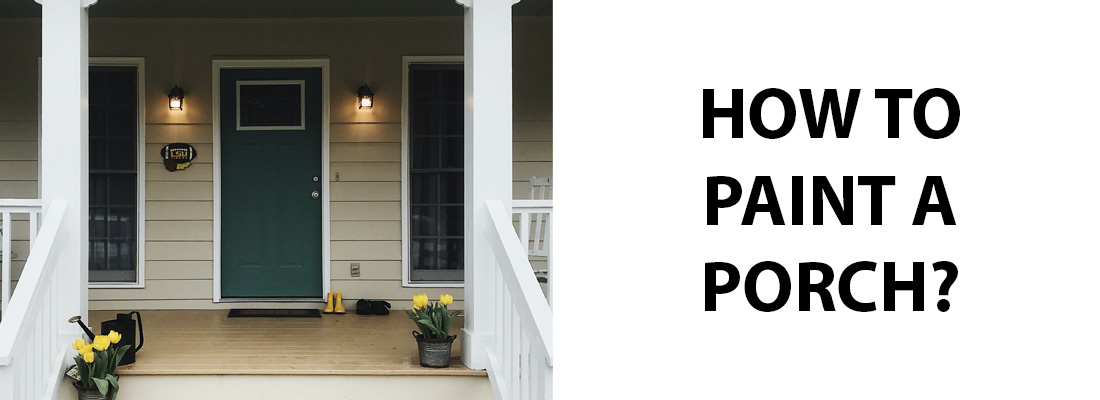
Most people don’t know the proper way to paint a porch. After all, it isn’t a space you commonly paint such as your bathroom or living room. It can often seem like a very tedious task, but knowing what steps to follow, along with the best paint for your job, can make for a simple project with results you can be proud of. 

If you live in the Boise area and need help with your exterior home painting or porch painting, we’ll give you a free quote! We serve the entire Boise area including Meridian and Eagle.

How to Paint a Porch 

When gearing up to paint your porch, there are some simple steps to follow to get started: 

  1. Remove Everything From Your Porch 

Your very first step should be to remove everything from your porch. This would include any furniture as well as decorations on your floor. Be sure to cover any items you don’t want to be painted but can’t remove, with a drop cloth for paint protection. 

  1. Thoroughly Clean the Area 

Once everything is removed, you’ll want to give your porch a good cleaning. Start by sweeping away any cobwebs or debris. You’ll need a smooth, clean surface before painting for the best results. Next, hose down the area, allowing plenty of time to dry before applying any paint. 

If you have a wooden porch, you’ll want to sweep away all dirt, paying special attention to cleaning between the cracks and crevices of the planks. 

  1. Apply Primer 

Once your porch is clean, it’s a good idea to prime before you start painting. If you’re working with a wood surface, apply two coats of primer with a roller. Allow at least 8 hours to dry. 

For concrete porches, apply only one coat of primer with a roller on an extension pole and also let dry for at least 8 hours. 

  1. Pick a Paint Color

Once you decide which color to go with, be sure to choose an exterior, porch-specific paint that is designed to withstand the wear and tear of foot traffic and can handle the outdoor elements. 

How to Paint a Wooden Porch 

If your porch has a wooden surface, clean and spray it down completely then give it at least 24 hours to dry. Once you’re certain the surface is dry, use a sander to help remove any existing paint. Remember to wear protective eyewear and a mask during sanding. After you’ve finished sanding, sweep away any residual dust from the surface. 

Next comes taping. Use high-quality painters tape to ensure your new paint doesn’t get onto the siding or trim of your home. Now that you have all your edges taped off, it’s time to apply an exterior primer. Pay attention to any debris the wind may blow into your fresh primers so it doesn’t stick to the primer as it dries. Depending on the outside temperature, you’ll need to let your primer dry from 2-8 hours before moving on. 

Now you can apply your paint of choice. Allow around 8 hours to dry before applying a second coat. 

How to Paint a Concrete Porch 

For a concrete porch you’ll still start with cleaning but you’ll want to use concrete chemicals for the best results. Safety needs to be a big concern during this part of the process so wear gloves and a mask for protection. After you’ve thoroughly scrubbed the concrete down with a scrub brush, spray with a hose or pressure washer and let it completely dry. This generally takes around 24 hours but will obviously dry faster on warmer days. 

Tape off any areas you don’t want paint to touch then start applying a concrete primer. After your primer has had a chance to dry, apply your paint of choice. Make sure you go with a concrete exterior paint. Exterior paints are designed to withstand harsh weather conditions and general activity. When finished, allow at least 24 hours for your paint to dry. 

Best Paint for Porches 

When painting a porch floor, you’ll want to choose a porch or deck paint that is designed for your specific porch surface. Concrete porches do well with low-luster acrylic latex paints. This paint is excellent at preventing scuffing, bubbling, cracking, and fading, and hides all those little imperfections. It’s also durable and stain resistant. For a wooden porch, we recommend Premium Advanced Deckover by Behr. It comes in dozens of colors and makes your wood splinter-proof. It may cost a little more but the fact that it’s mildew-resistant and long-lasting makes it well worth your money. Also, be sure to choose an exterior paint specifically made for horizontal surfaces rather than vertical ones for walls and trim. 

Cost to Paint a Porch 

Obviously, the size of your porch and the quality of paint you choose will play a large part in figuring out how much painting your porch will cost. On average, you can expect to pay around $2-$5 per square foot. Porches are usually around 150 square feet in size with a typical cost running around $525. Take the time to accurately measure your porch before purchasing paint so you’ll have a good idea of what you’ll be spending. 

Paint Ideas for Porches 

Because your porch is one of the first things people see when they pull up to your home, it can have a profound overall impact on its appearance. With that said, if your porch is looking run-down and dingy, it puts a negative spin on your curb appeal. And while your front porch can give a powerful first impression, don’t forget about your back porch. A back porch is an extension of your home as well as a place to create memories with friends and family. 

We’ve compiled a few of our favorite porch painting ideas that can add personality and style to the entryway of your home:

  • Go with a Contrasting Paint Color 

Painting your porch a contrasting color from the rest of your home is an excellent way to highlight this unique feature. The color you choose for your porch doesn’t need to match that of your house but needs to be a nice compliment. 

  • Have fun with Patterns 

A bold or playful pattern can be an attention-grabbing asset to any porch. From your classic checkerboard diamonds to stripes or stamped concrete, a pattern can dress up your porch with a fun and inviting element of style. Black and white will always be a popular duo. However, neutral or earthy tones of blue, gray, tan, and brown will always pair well with rock pillars or dark wood doors. 

  • Look to your Landscaping 

Don’t forget that your landscaping is a natural way to compliment your porch. You can draw in the bold floral colors of blossoms to enhance your porch’s beauty or keep a crisp and clean look while contrasting your white porch against crisp green foliage. 

How to Paint a Porch Conclusion 

Painting your porch isn’t a complicated process. Follow the steps focused on above and you’ll be thrilled with the results of your labors. However, if you prefer to leave your porch painting to the professionals, contact Boise Home Painting. Our skilled team of painters has years of experience throughout the entire Treasure Valley. We pay attention to the details and only use the best quality products to ensure our customers are more than satisfied with the finished product. 

Categories Exterior Painting

Can You Paint Pressure Treated Wood?

Can you paint pressure treated wood?

Pressure treated wood is used for numerous outdoor projects. Because it’s been treated with chemicals, people often wonder, “Can you paint pressure treated wood?” While you most certainly can paint pressure treated wood, it’s important to be sure it’s had proper time to dry as well as knowing which kind of paint will adhere best. Continue reading to learn the ins and outs of painting pressure treated wood so your next outdoor project will be a success. 

What is Pressure Treated Wood? 

Pressure treated wood is simply wood that’s been treated with chemicals to protect it from moisture and insects. The chemicals it’s treated with don’t necessarily make the wood stronger but prevent it from prematurely rotting. Wood structures that will be constantly exposed to moisture or the elements are often built with pressure treated wood. Fences, playgrounds, decks, railings and playground equipment are typically constructed with pressure treated wood to hold up better over time. 

When to Paint Pressure Treated Wood 

The most important thing to consider when painting pressure treated wood is drying time. It may take up to 3-4 months for it to completely dry out enough to paint. One easy way to test if pressure treated wood is ready to paint is to drop some water on its surface. If the water droplets bead up, you’ll know the treated wood is still too damp. Once the droplets are absorbed into the wood instead of being repelled, it’s ready to be painted.

When Not to Paint Pressure Treated Wood 

Be very aware that if you attempt painting pressure treated wood before it’s fully cured, it can leave you with a disaster. If you paint one side of the wood but it isn’t fully dry, you will most likely deal with some pretty severe warping. The non-painted side will dry faster and when that happens, you’ll end up not only with warped wood but with peeling and cracking paint as well. 

How to Paint Pressure Treated Wood 

Painting pressure treated wood involves steps that you wouldn’t necessarily take when painting regular lumber. Below is a list of step-by-step instructions you’ll need when painting pressure treated wood:

Step 1. Thoroughly Clean the Wood

Making sure the wood you’re working with is clean is the first step you’ll need to take before painting. Using a stiff-bristled brush and a solution of soapy water, scrub the entire surface of the wood. Follow up the cleaning with a good rinse and let dry. 

Step 2. Let the Wood Dry 

If you have an upcoming project that involves pressure treated wood, make sure and plan ahead when considering drying time. Be prepared that it could take as long as a few weeks to a couple of months. If you have a deadline on your project, it may be worth purchasing pressure treated wood that has already been through the drying process. 

Once the wood feels dry, test it out by using the water droplet method mentioned earlier in this article. If water beads up on the surface of the treated wood, it needs more time to dry. If the water absorbs into the wood, it’s dry enough to go forward with your painting. 

Step 3. Apply Primer 

Once you know your wood is completely dry you can begin applying your primer. Make sure and purchase a primer that is designed for exterior pressure-treated wood. A paint sprayer is fast and efficient but also using a brush may be necessary to catch all the detail work. 

Step 4. Apply Paint or Stain 

After you’ve allowed proper time for the primer coat to dry, you can start applying your top coats. We recommend applying two coats for the best protection and coverage. Stick with using latex paints as they tend to work best when dealing with pressure treated wood. Avoid using oil-based paints. 

Can You Paint Pressure Treated Wood Conclusion

Pressure treated wood may need a few extra steps in preparation for painting but other than that it’s a fairly straightforward process. However, if you feel your painting project may be more involved than you would like, and you live in the Boise area, calling in the professionals at Boise Home Painting is always a great option. Our team of experienced painters will be happy to answer all of your questions or give you a free quote. We serve the entire Boise area including Meridian and Eagle. Don’t hesitate to contact our office today!

Call Now